
中文正文
哪些行业真吃到肉,能吃多少;外贸人现在能干什么。降税的利好,第一站是买家的成本表,不是你的利润表。
01 先说清楚这300亿降的到底是什么
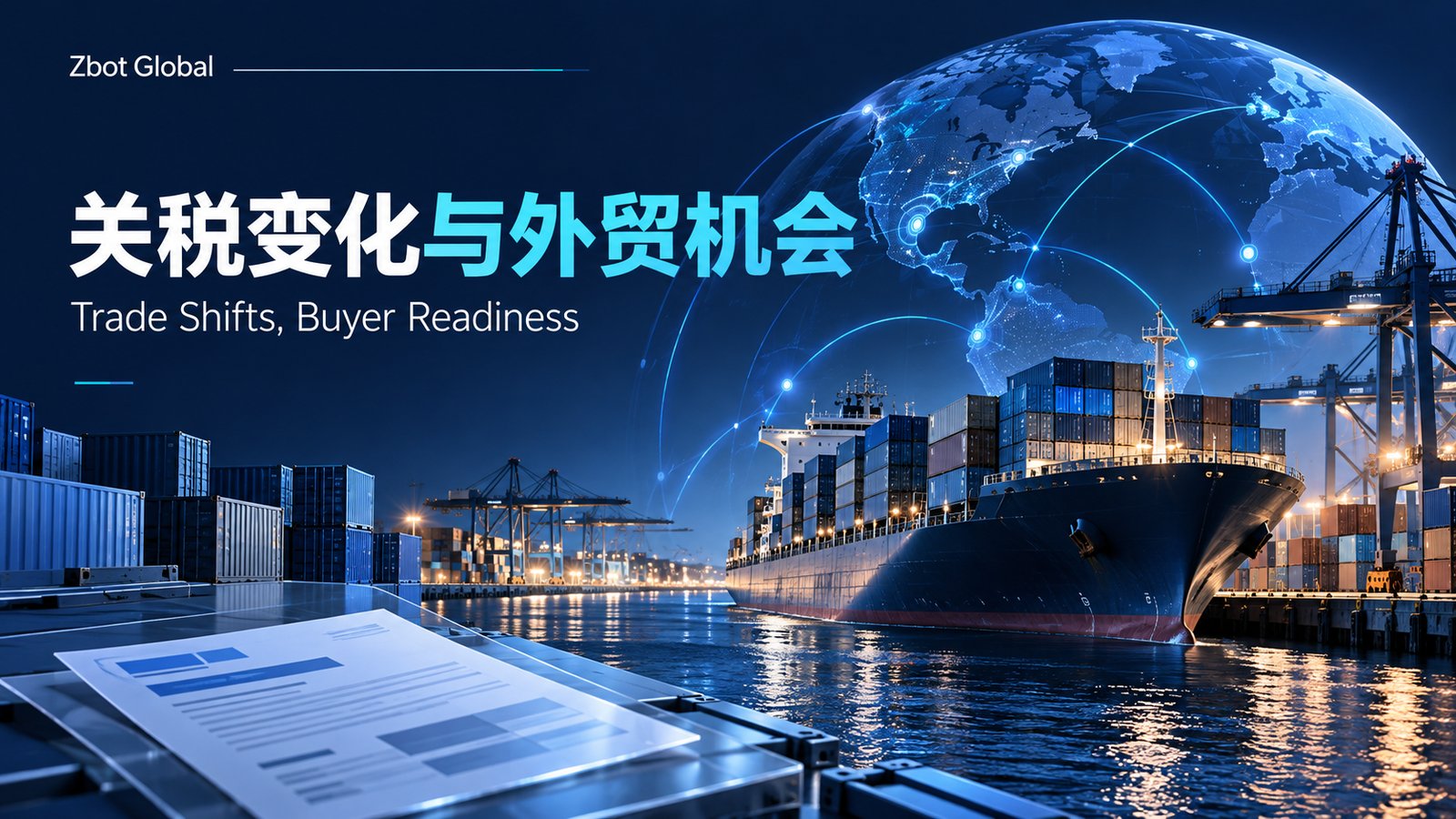
9月28日,商务部公布:中美在贸易理事会框架下,就「300亿对300亿」对等降税达成共识。各自对约300亿美元进口商品降税。
原文关注2018年起加征的7.5%–25%关税,以及降税对外贸企业的影响。
原文关注的品类包括玩具、家电、婴儿用品、厨卫用品、节日礼物,以及农产品、个人护理用品、医疗器械、煤炭。具体品类和税号是否纳入,仍以正式清单为准。
落地节奏也讲清楚:双方各自走国内法律程序,同步实施。清单没完全落地之前,别急着改报价,别急着答应长单。
02 原文关注的行业:机会与差异
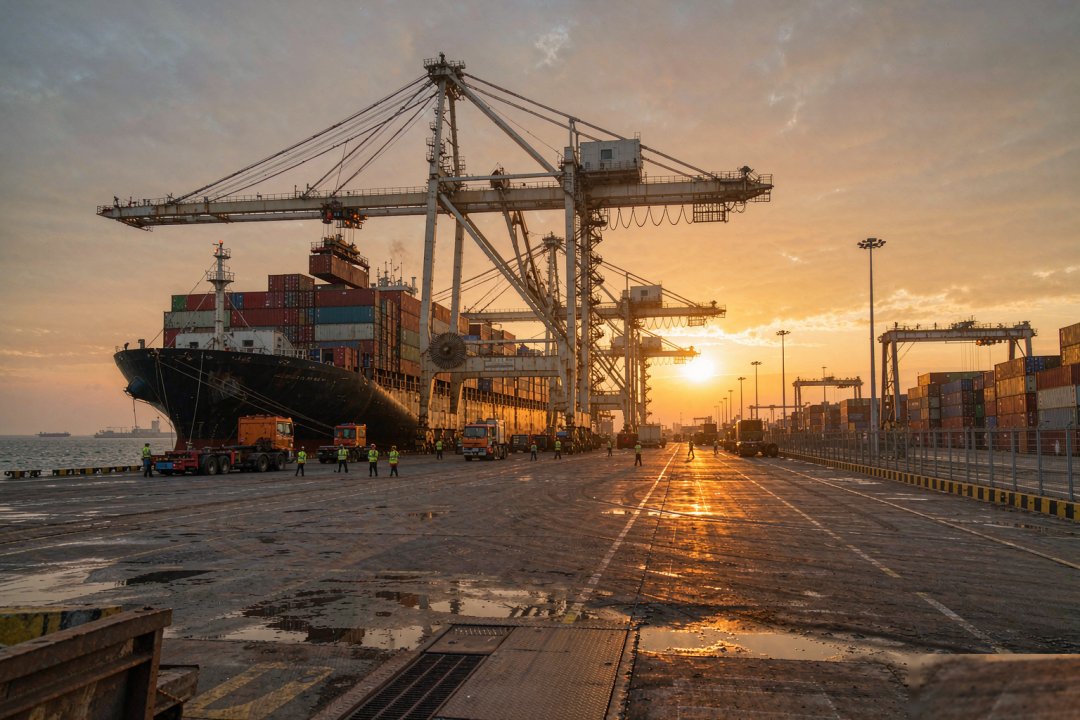
玩具。上半年全国玩具出口155.97亿美元,同比还跌了11.32%。产能高度集中:全国超一半的塑料玩具产能集中在汕头澄海,全球每三件塑料玩具,就有一件是那儿做的。窗口就在10–12月——节日礼品季下单就在眼前。具体税号纳入清单后,玩具和节日用品是原文关注的品类。
家电、厨卫、婴儿用品。对于民生消费品,美国进口商囤货意愿强,订单弹性最大。加征降回去,钱不会全进工厂口袋。美国买家的采购经理,第一个动作就是拿着新清单找你重新谈价。能留住多少,看谈判位势,不看新闻标题。
医疗器械。做这行的盯两件事:后续清单扩容方向,认证门槛有没有同步松动。
农产品、煤炭:中方这边的进口生意。原文讨论的是美国供应商和中国采购方。做出口的工厂看一眼就行,别把自己代入。
半导体、算力、AI。资源别乱动,产能别乱扩,等下一次清单再看。
义乌和小商品:对美这条线在涨
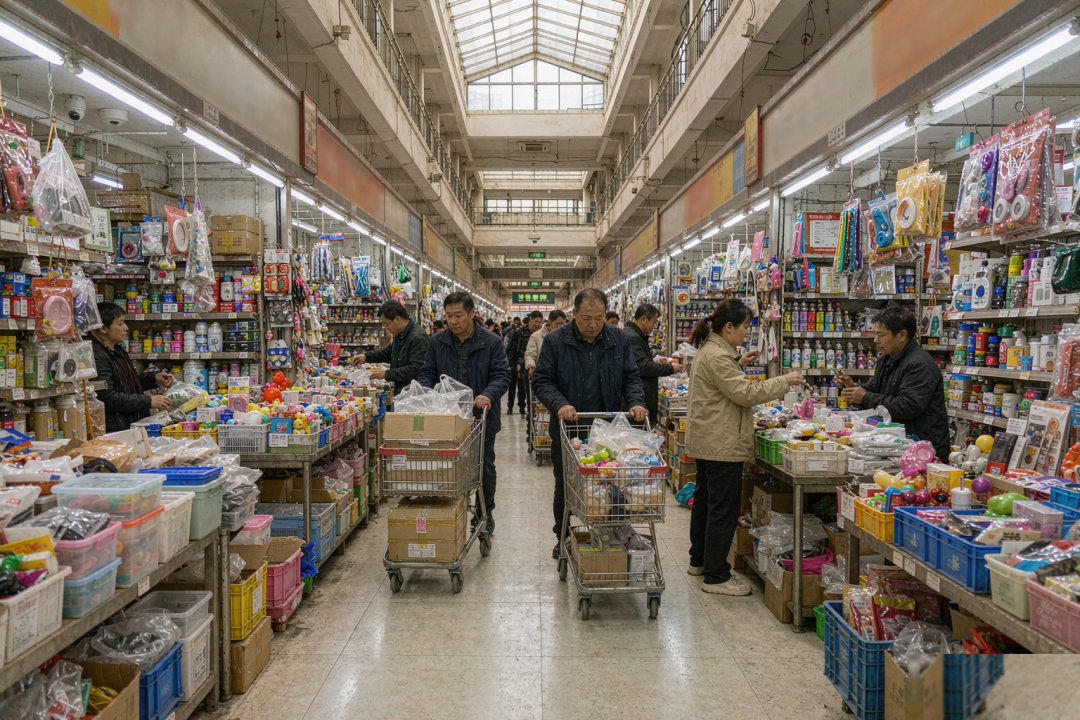
2025年义乌对美出口1045.06亿元,同比增长25.07%。在加征关税的年份里还能涨,说明这条线是真需求。小商品单价低、走量快,对税率最敏感,降税落地后补库订单最先动,要抢就是落地后的头90天。
03 外贸人能做啥:先算三笔账
FOB工厂可能白高兴。有上市公司自己说得很直白:出口走FOB,关税本来就由美国买方承担,降不降对自己影响有限。降税的利好,第一站是买家的成本表,不是你的利润表。
① 分摊账。FOB模式下关税本来就由美国买家承担,降税省下的钱,客户会要求分摊,报价迟早被压回去。先想好让多少、换什么——让利要换长单和预付款比例,不是白让。
② 回流账。前几年搬去东南亚、墨西哥的产能,买家已经付过搬迁成本,不会为一份清单再搬一次。会动的是增量订单和补库订单,而这些订单流向的是买家找得到、看得懂、信得过的那批厂。
③ 窗口账。批量降税和零星豁免的区别是预期,客户敢谈长单了。窗口期里你干什么,决定两年后你在哪。
本周就能动手的五个动作
对清单——找出产品的海关税号,看在不在降税范围。在,往下做;不在,别耗。
算到岸成本——把加征取消后的新成本表做出来,买家压价之前先有自己的一版答案。
定让利预案——分摊多少、换什么条件(长单?预付比例?锁价周期?),谈之前写下来。
自查「被找到」——搜自己的产品和行业词,再问AI念不念得出你。搜不到、念不出,先修官网和内容。
旺季品类加急——玩具、节日用品窗口就在10–12月,报价预案和产能排期本周就做。
04 从被找到到真实对话
这波利好落袋的前提是:买家找得到你,看得懂你,信得过你。Zbot智博出海,把找客户、筛决策人、写触达话术、安排跟进,做成AI自动执行、人工把关的系统。
一家做PCB / EMS的工厂,主做北美,90天里——内容展示增长5,962%,主动触达580次,形成真实对话39位。数字来自该客户90天的业务复盘记录,统计范围是领英内容与主动触达这条线;39位对话对象不等于39个成交客户,约见数不能拿来换算订单。
我们不承诺任何订单结果。降税是环境变化,不是成交承诺。
资料属性:基于公开来源与客户业务复盘整理。本文依据原文政策背景整理;具体税号范围和实施时间以双方正式公布为准,细分行业讨论不代表已确认纳入正式清单。
来源:Zbot出海AI外贸智能体(微信公众号) 原文链接:https://mp.weixin.qq.com/s/uK_-h1_T8zKyaOzRQjkIUQ
English Version
How Foreign Trade Businesses Can Prepare Under the US–China US$30 Billion Reciprocal Tariff Reduction Framework
Which industries stand to benefit, by how much, and what can foreign trade businesses do now? The first place tariff relief appears is on the buyer’s cost sheet, rather than the factory’s profit statement.
01 What Does the US$30 Billion Tariff Reduction Cover?
On September 28, the Ministry of Commerce announced that China and the United States had reached a consensus under the Trade Council framework on reciprocal tariff reductions covering ‘US$30 billion on each side.’ Each side would reduce tariffs on approximately US$30 billion of imported goods.
The source article focuses on the additional tariffs of 7.5%–25% imposed since 2018 and the impact of tariff reductions on foreign trade businesses.
The categories discussed in the source article include toys, household appliances, baby products, kitchen and bathroom products, holiday gifts, agricultural products, personal care products, medical devices, and coal. Whether specific categories and tariff codes are included remains subject to the official lists.
The implementation sequence is also clear: both sides will complete their respective domestic legal procedures and implement the measures simultaneously. Before the lists are fully implemented, do not rush to change quotations or commit to long-term orders.
02 Industries Discussed in the Source Article: Opportunities and Differences
Toys. National toy exports totaled US$15.597 billion in the first half of the year, down 11.32% year on year. Production is highly concentrated: more than half of China’s plastic toy capacity is located in Chenghai, Shantou, and one in every three plastic toys worldwide is made there. The window is October–December, with holiday gift orders approaching. Toys and holiday products are categories discussed in the source article, subject to the inclusion of their specific tariff codes in the lists.
Household appliances, kitchen and bathroom products, and baby products. For everyday consumer goods, US importers have a strong willingness to build inventories, giving these categories the greatest order flexibility. Removing the additional tariffs does not mean all the savings go to factories. A US buyer’s purchasing manager will first bring the new list to renegotiate prices. How much you retain depends on your negotiating position, rather than the headline.
Medical devices. Businesses in this industry should watch two things: the direction of future list expansions, and whether certification requirements are eased at the same time.
Agricultural products and coal: import business on the Chinese side. The source article discusses US suppliers and Chinese buyers. Export factories should understand the distinction before assuming that they benefit directly.
Semiconductors, computing, and AI. Avoid shifting resources or expanding capacity indiscriminately; reassess when the next list is available.
Yiwu and Small Commodities: Exports to the US Are Growing
In 2025, Yiwu’s exports to the United States totaled RMB104.506 billion, up 25.07% year on year. Growth during a year of additional tariffs indicates real demand along this trade route. Small commodities have low unit prices and rapid turnover, making them particularly sensitive to tariff rates. Replenishment orders are expected to move first after tariff reductions take effect; the period to target is the first 90 days after implementation.
03 What Can Foreign Trade Businesses Do? Start with Three Calculations
FOB factories may be celebrating prematurely. A listed company put it plainly: when exports use FOB terms, tariffs are already borne by the US buyer, so tariff changes have a limited direct impact on the factory. The first place tariff relief appears is on the buyer’s cost sheet, rather than the factory’s profit statement.
1. Sharing the savings. Under FOB terms, tariffs are already borne by US buyers. Customers will ask to share the savings from tariff reductions, eventually putting pressure on quotations. Decide how much to concede and what to receive in return: concessions should secure long-term orders and a higher advance-payment proportion, rather than be given away.
2. Returning orders. Buyers have already paid to move capacity to Southeast Asia and Mexico in previous years and will not move it again because of one tariff list. What may shift are incremental and replenishment orders, which go to factories buyers can find, understand, and trust.
3. The opportunity window. The difference between broad tariff reductions and individual exemptions is the expectation they create: customers become more willing to discuss long-term orders. What you do during this window determines where you will be two years later.
Five Actions You Can Start This Week
Check the lists: identify your products’ customs tariff codes and see whether they fall within the tariff reduction scope. If they do, proceed with the next steps; if they do not, avoid spending time on this opportunity.
Calculate landed costs: prepare a new cost sheet reflecting the removal of additional tariffs, so you have your own answer before buyers push for price cuts.
Prepare a concession plan: write down how much of the savings to share and what terms to seek in return—long-term orders, the advance-payment proportion, or a price-lock period—before negotiating.
Check whether buyers can find you: search for your products and industry terms, then ask whether AI can name your company. If neither can, improve your website and content first.
Prioritize peak-season categories: the window for toys and holiday products is October–December. Prepare quotation plans and capacity schedules this week.
04 From Being Found to Real Conversations
To turn this favorable change into benefits, buyers need to be able to find, understand, and trust you. Zbot turns customer research, decision-maker screening, outreach message preparation, and follow-up scheduling into a system executed by AI with human oversight.
For a PCB / EMS factory focused on North America, a 90-day period saw content impressions grow by 5,962%, 580 proactive outreach attempts, and real conversations with 39 people. These figures come from the customer’s 90-day business review and cover LinkedIn content and proactive outreach. The 39 conversation partners do not represent 39 customers who placed orders, and meeting counts cannot be converted into orders.
We do not promise any order results. Tariff reductions change the business environment; they are not a promise of sales.
Source basis: compiled from public sources and customer business reviews. This article is organized around the policy background in the source article. The specific tariff codes covered and implementation dates are subject to the official announcements of both sides. Discussion of individual industries does not confirm their inclusion in the official lists.
Source: Zbot Global (WeChat Official Account: Zbot出海AI外贸智能体) Original article: https://mp.weixin.qq.com/s/uK_-h1_T8zKyaOzRQjkIUQ